
In a clinical sense, anxiety involves ongoing feelings of worry, tension, or unease that may not always have a clear or immediate cause. It can show up in both the mind and body, often creating a cycle where anxious thoughts can trigger physical symptoms, which, in turn, can reinforce the anxiety.
Working with an anxiety therapist in Los Angeles can help individuals better understand whether what they are experiencing falls within a typical range or if it may benefit from professional support.
Anxiety does not have to be constant or overwhelming to be worth addressing. Even moderate symptoms can have a negative impact on how someone feels from day to day.

How Common is Anxiety?
Anxiety is very common. According to the National Institute of Mental Health, “19.1% of American adults have had an anxiety disorder in the past year.”
By that same token, the American Psychiatric Association said that “43% of adults feel more anxious than they did in the last year.”
While these studies are snapshots of a moment in time, they show just how common anxiety is. While just about everyone feels some anxiety, not everyone feels it to a degree that interferes with parts of their lives. That’s where working with the right anxiety therapist in Los Angeles can help.
By working with an experienced psychologist, you can learn to understand why you are experiencing anxiety and also develop coping strategies to help you minimize and better deal with your anxiety.
Common Symptoms of Anxiety
Anxiety can present differently from person to person. Some individuals experience primarily emotional and cognitive symptoms, while others notice more physical and behavioral effects. It is also important to understand that you do not need to experience every symptom listed here for anxiety to be present.
Frequently Reported Emotional and Cognitive Symptoms
Many people with anxiety report a persistent sense of worry or fear that feels difficult to turn off. This worry may focus on specific concerns or feel more generalized and hard to define.
Common experiences include:
- Feeling overly anxious or worried most days
- Difficulty controlling or stopping the worry
- A sense of being on edge
- Trouble concentrating or feeling mentally “foggy”
These symptoms can make it harder to stay present and engaged in everyday life.
Physical and Behavioral Symptoms
Anxiety often affects the body as well as the mind and emotions. These physical responses are part of the body’s stress system, but can become uncomfortable when activated too frequently.
Some of the most common physical and behavioral symptoms include:
- Difficulties with sleep, including trouble falling or staying asleep
- Restlessness or feeling unable to relax
- Tense muscles
- Fatigue, even after adequate rest
Because symptoms can vary so widely, people sometimes dismiss their experiences or assume they are unrelated to anxiety. Working with an anxiety therapist in Los Angeles can help connect these symptoms and provide a clearer picture of what is happening.
Dr. Thomas has years of experience helping with a wide range of issues, some of which may have triggered one’s anxiety. For example, those whose anxiety has been set off due to dealing with loss and grief may benefit from her experience.
Anxiety vs. Panic Attacks: The Differences
While anxiety and panic attacks are related (panic attacks are considered the more intense form of anxiety and other built-up feelings), they are not the same. Anxiety tends to gradually increase and can persist over time, whereas a panic attack is a sudden and intense surge of fear or discomfort that reaches a peak within minutes, although it might feel longer.
Many people experience panic attacks at some point in their lives, even if they do not have a diagnosed anxiety disorder. However, recurring panic attacks do indicate the need for professional care and guidance.
Symptoms of a Panic Attack
Panic attacks are characterized by a combination of physical and psychological symptoms. These can feel overwhelming and, at times, frightening.
Common symptoms can include some of the following :
- Palpitations, a pounding heart, or an accelerated heart rate (any one of these counts as a primary symptom)
- Nausea or abdominal distress
- Tightness or discomfort in the chest
- A feeling of shortness of breath or difficulty breathing
- Feeling lightheaded, dizzy, or faint
- A sense of unreality or feeling detached from oneself
- A fear of losing control
- Sweating
- Feeling chills or overly heated
In addition to these, individuals may experience more intense sensations that heighten the fear response. Because these symptoms can mimic medical emergencies, people often worry that something is seriously wrong physically, even when the cause is psychological.
How Panic Attacks Differ From Ongoing Anxiety
Anxiety is typically more sustained and may fluctuate in intensity throughout the day or week. Panic attacks, on the other hand, tend to occur in episodes, often randomly, and then subside.
Another important distinction is that panic attacks can happen even when a person is in a calm state. This can make the experience very confusing and quite unsettling since it can occur without any warning. This experience can cause individuals to worry when this could randomly occur again and also to feel self-conscious wondering if people may notice their distress.
How Dr. Yvonne Thomas Helps Her Clients Understand and Manage Their Anxiety and/or Panic Attacks
Dr. Thomas works with clients to understand the underlying causes of their anxiety and/or panic attacks rather than focusing solely on surface-level symptoms. This process begins with identifying whether the anxiety and/or panic attacks are primarily linked to specific triggers, biological factors, or ongoing stressors.
In some cases, anxiety and panic attacks may be connected to particular situations or environments. For these, Dr. Thomas helps clients identify those triggers and develop strategies to navigate them more effectively. This might include building coping skills, improving communication, setting healthier boundaries in relationships, and identifying and dealing with their feelings soon enough to minimize their anxiety or likelihood of having a panic attack.
For individuals whose anxiety and panic attacks have a more biological component such as patterns that run in families, therapy can still play a vital role in better understanding and managing symptoms and improving daily functioning. Even when anxiety and panic attacks feel deeply ingrained, they can be reduced with the right tools and consistent support.
Cognitive Behavioral Therapy and Thought Patterns
Dr. Thomas incorporates cognitive behavioral therapy (CBT) into her work, particularly focusing on cognitive restructuring. This involves identifying patterns of thinking that may be contributing to anxiety and can lead to panic attacks by helping her clients learn how to challenge and replace these kinds of thoughts with more healthy perspectives.
For example, a client who frequently expects negative outcomes may learn how to recognize those thought patterns and gradually shift toward more realistic interpretations. Over time, this can reduce the intensity and frequency of anxious reactions and lessen the likelihood of panic attacks.
Exploring Deeper Emotional Roots
In addition to CBT, Dr. Thomas uses psychodynamic therapy to explore deeper emotional influences. This approach looks at how past experiences, relationships, and subconscious patterns may be shaping current feelings and behaviors.
By understanding these underlying dynamics, clients can gain insight into why certain triggers affect them so strongly. This awareness often leads to more lasting change than simply addressing symptoms alone.
A Collaborative and Supportive Environment
Therapy with Dr. Thomas is a collaborative process. Clients are encouraged to actively participate, share their thoughts openly, and move at a pace that feels comfortable for them. In addition, creating a safe, nonjudgmental environment is a central part of how Dr. Thomas does therapy with her clients.
She prioritizes consistency and trust, ensuring that her sessions build on each other. This steady approach allows clients to feel secure as they explore their emotions, understand themselves better, and develop new coping strategies.
Currently, Dr. Thomas provides teletherapy, making it easier to access support from the comfort of a client’s own space. This can be especially helpful for individuals with busy schedules or those who feel more at ease in a familiar environment.
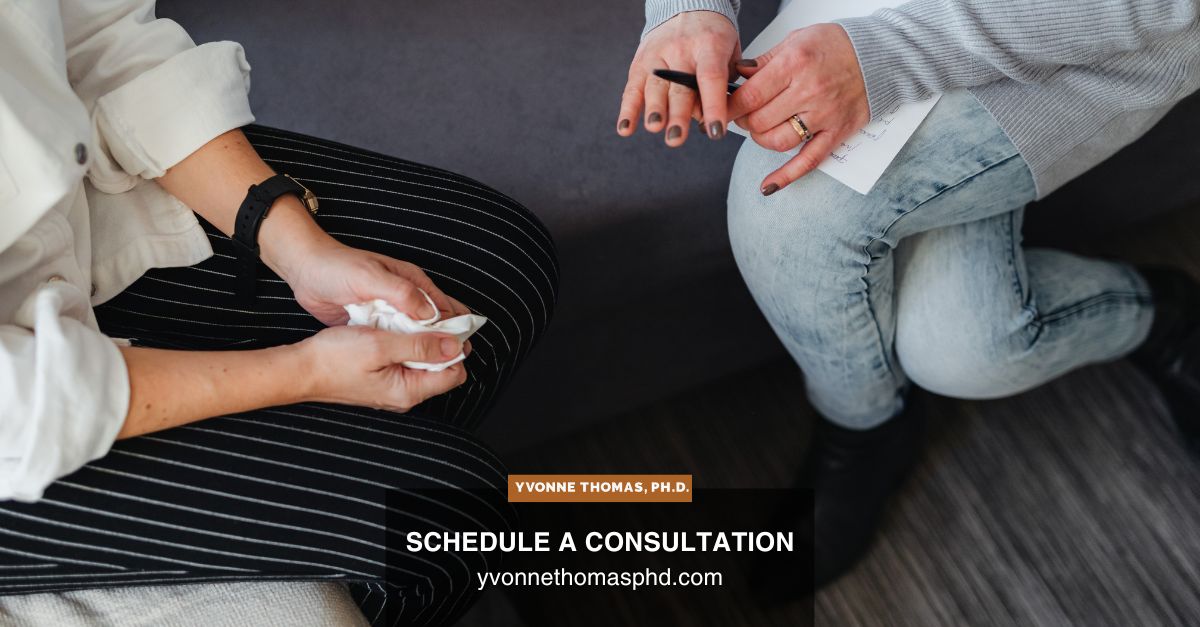
Adapting to Individual Needs and Life Circumstances
Every person’s experience with anxiety and panic attacks is different. Dr. Thomas tailors her approach to match each client’s specific needs, whether they are dealing with ongoing stress, loss and grief, or navigating complex life transitions. This flexibility ensures that therapy remains relevant and effective over time.
Clients often find reassurance to learn that they aren’t the only ones dealing with anxiety and/or panic attacks. However, Dr. Thomas also focuses on ensuring that each client’s journey is treated as unique and deserving of personalized care.
An Anxiety Therapist in Los Angeles Who is Ready to Help
With the right professional support, individuals can learn how to respond to anxiety and panic attacks in healthier ways, regain a sense of control, and move forward with greater confidence in their daily lives.
Dr. Yvonne Thomas is a licensed psychologist in Los Angeles who brings years of clinical experience to helping individuals understand and manage anxiety and panic attacks in a compassionate, structured, and highly personalized way.
With more than two decades of practice and three psychology degrees (California license PSY #14489), Dr. Thomas has broad experience across a wide range of issues.
She works closely with clients to identify the root causes of their distress while offering practical tools that can be applied in everyday life. Her approach is grounded in evidence-based methods, in conjunction with Dr. Thomas providing specifically tailored treatment to each client’s needs, personality, and life circumstances.
Her sessions are designed to be collaborative, meaning clients are active participants in the process rather than passive spectators. This creates an environment where her clients feel heard, respected, and supported as they move toward healthy and meaningful change.
Whether anxiety and/or panic attacks are interfering with relationships, work, or overall well-being, Dr. Thomas helps her clients develop clarity, resilience, and a stronger sense of emotional balance.
To schedule a free 15-minute consultation, reach out to Dr. Thomas.