
This therapy is designed to help individuals identify the thoughts, emotions, and experiences that contribute to feelings of anxiety. Through a supportive therapeutic relationship, clients can gain greater awareness of their emotional patterns and learn practical strategies to manage distress more effectively.
The process often begins with discussing current concerns, symptoms, personal history, and factors that may be contributing to stress. As therapy progresses, clients work toward understanding the root causes of anxiety while developing healthier ways of responding to difficult situations.
Because every person is different, therapy is customized to fit individual needs rather than relying on a one-size-fits-all approach.
For people who feel overwhelmed by persistent worry, fear, tension, or uncertainty, working with Dr. Yvonne Thomas, PhD can provide valuable support and guidance.
What Makes Professional Support Helpful?
Many people attempt to manage anxiety on their own for years before seeking help. While self-help techniques can be useful, professional counseling provides a safe environment where deeper emotional issues can be explored.
Benefits of therapy may include:
- Increased emotional awareness
- Improved stress management skills
- Better communication in relationships
- Greater self-confidence
- Enhanced problem-solving abilities
- Reduced feelings of overwhelm
- Healthier responses to uncertainty
Working with a trained professional can also help individuals recognize patterns that may not be obvious from their own perspective.
What Types of Anxiety Can Therapy Address?
Anxiety can appear in many forms. Some people experience constant worrying, while others struggle with specific fears, social discomfort, panic symptoms, or ongoing nervousness that interferes with daily activities.
Therapy can help individuals experiencing:
- Generalized anxiety
- Social anxiety
- Excessive worry
- Panic attacks
- Relationship-related anxiety
- Career-related stress
- Performance anxiety
- Anxiety connected to major life events
The goal is not simply to eliminate uncomfortable feelings but to help individuals develop a healthier relationship with their emotions and challenges.
What Happens During an Anxiety Therapy Session?
A therapy session typically involves open discussion about current concerns, emotional reactions, personal experiences, and goals for treatment. Clients are encouraged to speak honestly about their thoughts and feelings without fear of judgment.
Sessions may focus on:
- Exploring emotional triggers
- Examining recurring thought patterns
- Understanding relationship dynamics
- Identifying sources of stress
- Building coping skills
- Strengthening emotional resilience
Over time, therapy often helps clients gain greater confidence in handling situations that previously felt overwhelming.
How Long Does Anxiety Therapy Take?
The length of therapy varies from person to person. Some individuals seek support for a specific challenge, while others benefit from a longer therapeutic process that addresses deeper emotional concerns.
Several factors may influence the duration of treatment, including:
- The severity of symptoms
- Personal goals
- Previous life experiences
- Current stress levels
- Relationship concerns
- Emotional history
Dr. Thomas works collaboratively with clients to develop a treatment approach that aligns with their individual needs and circumstances.
Can Anxiety Therapy Help With Life Changes?
Major changes can create uncertainty and emotional strain, even when those changes are positive. Career shifts, relationship changes, relocation, retirement, and family developments can all contribute to increased anxiety.
Many people seek counseling during significant life transitions because these experiences often involve unfamiliar situations, difficult decisions, and emotional adjustments.
Therapy provides an opportunity to process concerns, gain perspective, and build confidence while navigating periods of change. Individuals can learn how to adapt more effectively while maintaining emotional stability throughout the process.
Why Do Some Life Events Trigger Anxiety?
Change often disrupts routines, expectations, and feelings of predictability. Even highly capable individuals may feel anxious when facing unknown outcomes.
Common triggers include:
- Fear of failure
- Fear of rejection
- Financial uncertainty
- Relationship concerns
- Increased responsibilities
- Concerns about the future
Therapy helps individuals understand these reactions and develop healthier ways to respond to uncertainty and change. Studies have found just how effective therapy for anxiety can be.
What Therapy Methods Are Used for Anxiety?
Different people respond to different approaches, which is why Dr. Thomas tailors treatment to each client’s unique situation. Effective therapy methods often focus on increasing self-awareness, improving emotional regulation, and identifying patterns that contribute to distress.
Treatment may involve exploring past experiences, examining current emotional responses, strengthening coping skills, and developing healthier perspectives on challenging situations.
Rather than simply addressing symptoms, the right anxiety therapist should seek to understand the underlying emotional factors that may be contributing to anxiety. This comprehensive approach often creates meaningful and lasting personal growth.
Can Anxiety Affect Relationships?
Anxiety frequently impacts relationships with partners, family members, friends, and colleagues. Persistent worry or fear can lead to misunderstandings, communication difficulties, emotional withdrawal, or increased conflict.
An experienced anxiety therapist can help individuals identify how anxiety may be influencing their interactions with others. Through counseling, clients can develop healthier communication skills and gain greater insight into relationship patterns.
Therapy may help individuals:
- Express feelings more effectively
- Establish healthier boundaries
- Reduce relationship-related stress and depression
- Improve conflict resolution skills
- Build stronger emotional connections
These improvements often contribute to healthier and more satisfying relationships.
Is Relationship Anxiety Common?
Relationship anxiety is more common than many people realize. Concerns about rejection, abandonment, trust, or emotional vulnerability can create ongoing stress that affects personal well-being.
Therapy provides a supportive space where individuals can examine these concerns and develop healthier ways of approaching relationships. Greater emotional awareness often leads to stronger interpersonal connections and increased relationship satisfaction.
Can Anxiety Therapy Help After Emotional Loss?
Difficult emotional experiences can significantly affect mental health. Anxiety sometimes develops or intensifies following major disappointments, unexpected changes, or personal hardships.
Individuals coping with loss and grief may experience heightened worry, fear about the future, difficulty concentrating, sleep disturbances, or feelings of emotional vulnerability. These reactions can be challenging to navigate alone.
Therapy offers support during emotionally difficult periods by helping individuals process their feelings, understand their reactions, and gradually regain a sense of stability and confidence.
Is Teletherapy Available for Anxiety Counseling?
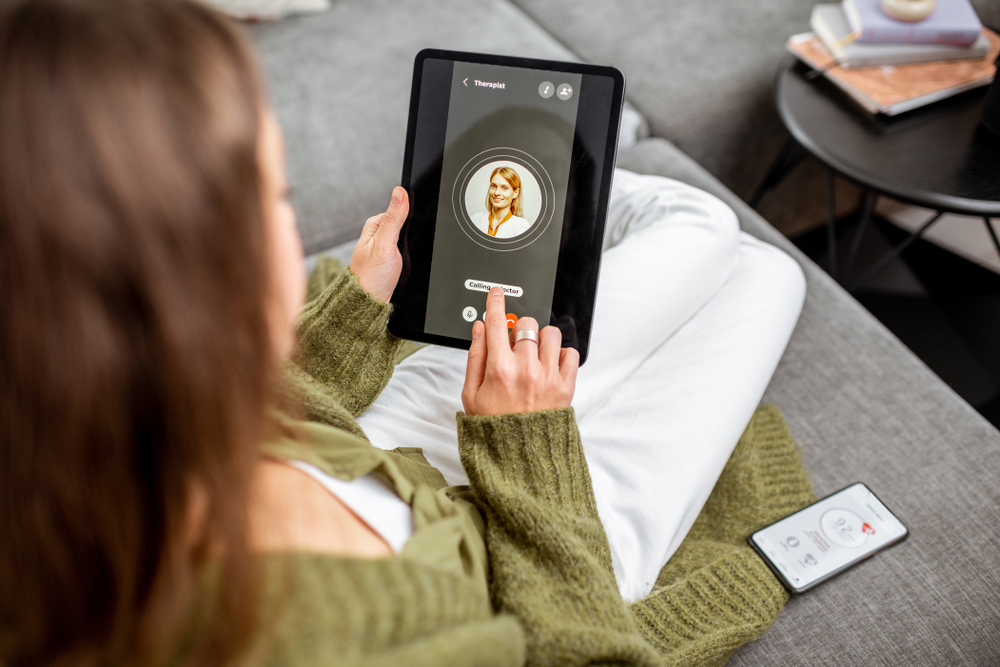
Many individuals appreciate the convenience and flexibility of teletherapy. Remote counseling sessions allow clients to receive professional support from a comfortable and familiar environment while maintaining privacy and confidentiality.
An anxiety therapist can provide meaningful support through virtual sessions while maintaining the same commitment to individualized care and emotional understanding that clients receive during in-person counseling.
Teletherapy can be especially beneficial for people with demanding schedules, transportation limitations, or preferences for meeting virtually.
Is Virtual Therapy Effective?
Research and clinical experience have shown that virtual counseling can be highly effective for many individuals. The therapeutic relationship remains a central component of treatment, regardless of whether sessions take place in person or online.
Many clients find that virtual appointments with an anxiety therapist make it easier to maintain consistency in therapy, which can contribute to continued progress and emotional growth.
Who Can Benefit From Anxiety Therapy?
Anxiety therapy can benefit adults from many different backgrounds and circumstances. Some individuals seek help because anxiety is interfering with daily functioning, while others want support managing stress before it becomes more disruptive.
People who may benefit from counseling include those who:
- Feel overwhelmed by worry
- Experience persistent nervousness
- Struggle with uncertainty
- Have difficulty relaxing
- Notice anxiety affecting relationships
- Feel emotionally exhausted
- Experience recurring fears
- Want healthier coping strategies
Seeking support is not a sign of weakness. Rather, it reflects a commitment to emotional well-being and personal growth.
What Should Someone Look for in an Anxiety Therapist?
Finding the right therapeutic fit is an important part of the counseling process. Individuals often benefit from working with a professional who provides empathy, emotional insight, experience, and a personalized approach to treatment.
A qualified therapist should create a supportive environment where clients feel heard, understood, and respected. The therapeutic relationship itself often becomes an important foundation for meaningful change.
Dr. Yvonne Thomas provides individualized anxiety counseling that focuses on helping clients better understand themselves, navigate emotional challenges, and develop healthier ways of coping with stress and uncertainty. For those seeking guidance, support, and practical tools for managing anxiety, working with the right anxiety therapist may be an important step toward creating a more balanced and fulfilling life.