
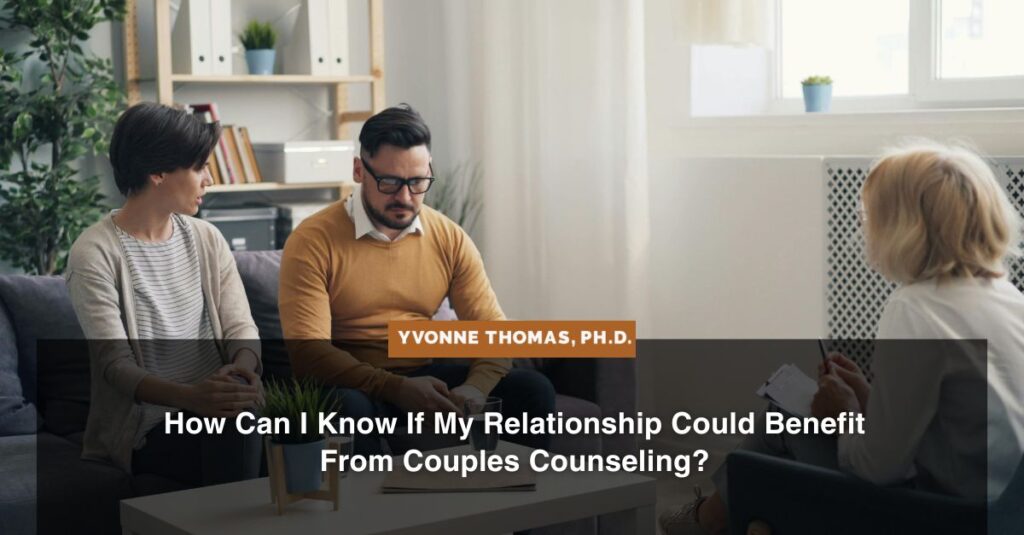
Every relationship moves through seasons. Some feel vibrant and connected, while others feel strained, distant, or uncertain. If you have found yourself wondering whether your partnership might benefit from couples counseling, that question alone is often meaningful.
Seeking support is not a sign that something is broken beyond repair; it can be an intentional step toward deeper understanding, stability, and emotional safety.
These are some ways to recognize when professional guidance may help, whether your relationship is thriving, plateauing, or in crisis. Each stage reflects a different need, yet all can benefit from skilled therapeutic support.
The “Garden” Phase
Relationships require attention long before visible problems appear. Many couples wait until resentment builds or communication collapses before reaching out. A healthier approach treats connection like a living system that needs regular care.
Can we come to therapy if we aren’t “in trouble”?
Yes. Many couples begin therapy while things are generally good. Think of your relationship as a garden. You do not wait for flowers to wilt before watering them. Proactive sessions can strengthen communication habits, clarify expectations, and deepen emotional intimacy before stress accumulates.
Pre-engagement counseling has become increasingly common among couples who want to lay a strong foundation before marriage. Conversations about finances, family background, expectations around children, and communication styles can prevent misunderstandings that might otherwise grow over decades.
Discussing “neuro-inclusive” communication—understanding how each partner processes emotion and conflict differently—creates empathy early on.
In this phase, therapy becomes a space for structured conversations that may feel difficult to initiate alone. You might explore:
- How each of you defines commitment
- Personal triggers rooted in childhood experiences
- Conflict styles and repair strategies
- Shared long-term goals
Even strong couples benefit from having these conversations guided by a trained couples counseling professional who can identify subtle patterns before they become entrenched.
How does counseling help when things seem fine?
When everything appears calm, subtle patterns can still undermine closeness. One modern dynamic is being “alone together.” Couples may maintain separate hobbies, friendships, or solo time. Independence is healthy, but without open discussion, autonomy can quietly morph into emotional distance.
Therapy helps clarify the intention behind separate interests. Are they supporting individuality and self-growth, or are they functioning as avoidance? A counselor helps partners articulate needs for space while maintaining secure attachment.
This proactive stage is also helpful during life transitions such as relocating, career shifts, or preparing for parenthood. Even positive changes can strain connection. Working together in therapy allows you to anticipate stressors and design strategies that protect your bond.
Couples who invest early often discover that they feel more confident addressing future disagreements because they have already developed a shared language for repair.
Maintenance and Realignment: The “Audit” Phase
Not every relationship crisis looks dramatic. Sometimes the issue is subtle drift. Conversations feel transactional. Affection decreases. You coexist peacefully but feel less emotionally engaged.
What if we feel like we’re drifting apart?
Emotional drift is one of the most common reasons people seek couples counseling. The shift often happens gradually. Responsibilities increase, routines harden, and connection becomes secondary to logistics.
One helpful concept in this phase is moving from “fair trade” to “radical generosity.” In many partnerships, each person unconsciously tracks effort, expecting a 50/50 exchange. When both partners instead focus on giving 80%—not from martyrdom, but from generosity—the dynamic shifts. Each person feels valued rather than measured.
Therapy helps couples identify where scorekeeping may have replaced goodwill. It also helps partners redefine appreciation in ways that are specific to how their brains register safety and affection. The well-known framework of love languages has evolved to include a more nuanced understanding of neuro-inclusive love. Some partners need verbal reassurance. Others require predictable routines to feel secure. Some need physical closeness; others need quiet presence. Understanding how your partner uniquely experiences connection reduces frustration.
In sessions, you may examine:
- How stress is impacting intimacy
- Whether resentment has gone unspoken
- What emotional bids for attention are being missed
- How to create daily rituals of connection
Small shifts, when consistent, can reverse drift more effectively than grand gestures.
How can I encourage a reluctant partner?
It is common for one person to be more motivated than the other. A hesitant partner may fear blame or believe therapy means the relationship is failing. In these cases, beginning individually can still be transformative.
When one person adjusts their communication style, boundaries, or emotional regulation, the entire relational system changes. A shift in tone, responsiveness, or empathy often invites reciprocal change. Over time, your partner may feel safer joining the process.
Some individuals begin through teletherapy, especially if scheduling or privacy concerns create barriers. Virtual sessions can lower the threshold for participation while maintaining meaningful therapeutic engagement.
It is important to frame counseling as an investment in the relationship rather than a verdict on its condition. Emphasize curiosity, not accusation. Highlight growth, not fault.
As couples see gradual improvements—clearer conversations, less defensiveness, increased warmth—motivation typically grows.
Crisis Support: The “Emergency Room” Phase
Sometimes the need for help is unmistakable. Betrayal, repeated explosive arguments, or emotional withdrawal can leave partners feeling hopeless or exhausted. In these moments, timely intervention is critical.
Is there hope after infidelity?
Infidelity can destabilize even long-standing relationships. The breach of trust often triggers shock, anger, and profound insecurity. Yet many couples do rebuild.
Research suggests that a significant majority of couples who fully engage in therapy report meaningful improvement. Recovery requires more than forgiveness. It involves transparency, accountability, and rebuilding emotional safety from the ground up.
A structured therapeutic approach focuses on:
- Stabilizing intense emotions
- Understanding vulnerabilities that preceded the betrayal
- Reestablishing trust through consistent behavior
- Creating new shared meaning
The goal is not to erase what happened but to integrate it into a stronger, more honest foundation. Rebuilding requires courage from both partners, and professional guidance can prevent the process from devolving into repeated retraumatization.
We argue about the same issues constantly. Can that really change?
Many couples find themselves stuck in repetitive conflicts. Often, these revolve around core differences—finances, parenting styles, intimacy, or extended family boundaries. Couples counseling distinguishes between solvable and perpetual problems.
Solvable problems usually involve situational disagreements that can be negotiated. Perpetual problems stem from enduring personality differences or values. Attempting to eliminate these differences entirely often leads to contempt or criticism.
Instead of “fixing” perpetual issues, counseling teaches couples how to dialogue about them constructively. The emphasis shifts from winning to understanding. Partners learn to:
- Recognize escalation triggers
- Use repair attempts effectively
- Express needs without blame
- Validate even when disagreeing
Over time, this reduces hostility and increases mutual respect. The conflict may not disappear, but its emotional intensity diminishes. As this study states, “couples therapy works.”
What if we’re dealing with intense stress or emotional pain?
Some crises involve external pressures such as financial strain, serious illness, or loss and grief. Under these circumstances, partners may respond differently—one withdrawing, the other seeking closeness. Misunderstanding these coping styles can amplify tension.
Therapy creates space to process personal pain while strengthening partnership resilience. You learn how to support one another without dismissing individual needs. This balance is especially important when stress threatens to isolate partners emotionally.
If you are questioning whether your relationship can survive current challenges, that uncertainty itself is worth exploring in therapy. Addressing it early prevents silent resentment from solidifying into disconnection.
Signs Your Relationship May Benefit From Support
While every couple is unique, certain patterns suggest that professional guidance could be helpful:
- Recurrent arguments that never resolve
- Emotional or physical intimacy has significantly decreased
- You feel lonely despite being partnered
- Trust has been damaged
- Major decisions feel impossible to navigate together
- Communication frequently escalates into defensiveness
- You avoid difficult conversations altogether
Even if only one of these applies, it may be worth considering couples counseling as a preventative measure rather than waiting for distress to intensify.
What to Expect From the Couples Counseling Process
Beginning therapy can feel vulnerable. Sessions typically start with an assessment of your relationship history, strengths, and current concerns. The therapist helps identify patterns rather than assigning blame.
Goals are collaborative. You may focus on rebuilding trust, improving communication, enhancing intimacy, or clarifying whether to continue the relationship. The pace depends on your needs and level of urgency.
Clients often report in testimonials that structured dialogue alone feels relieving. Being heard without interruption and guided toward clarity can shift dynamics quickly.
The environment is designed to foster emotional safety. Each partner is encouraged to speak honestly while also learning to listen without immediate rebuttal. Over time, this practice translates into daily life.

How to Decide If Now Is the Right Time for Couples Counseling
Ask yourself:
- Are we having the same unresolved conversations repeatedly?
- Do I feel understood by my partner?
- Is resentment building beneath the surface?
- Have we stopped sharing openly?
- Am I hoping things improve without taking action?
If the answer to several of these questions is yes, seeking support sooner rather than later can prevent further erosion of connection.
Therapy is not reserved for couples on the brink of separation. It serves relationships across the entire spectrum—from thriving partnerships seeking enrichment to distressed couples facing profound rupture.
The decision ultimately reflects a willingness to invest in your bond. Healthy relationships are not defined by the absence of conflict but by the ability to navigate it skillfully.
If you are uncertain, scheduling an initial consultation can clarify whether this approach aligns with your needs. Even one session may provide insight into patterns you had not previously recognized.
Choosing to pursue couples counseling demonstrates commitment to growth, accountability, and emotional health. Whether you are nurturing a strong partnership, recalibrating after drift, or rebuilding after crisis, professional guidance can create the structure necessary for meaningful change.