
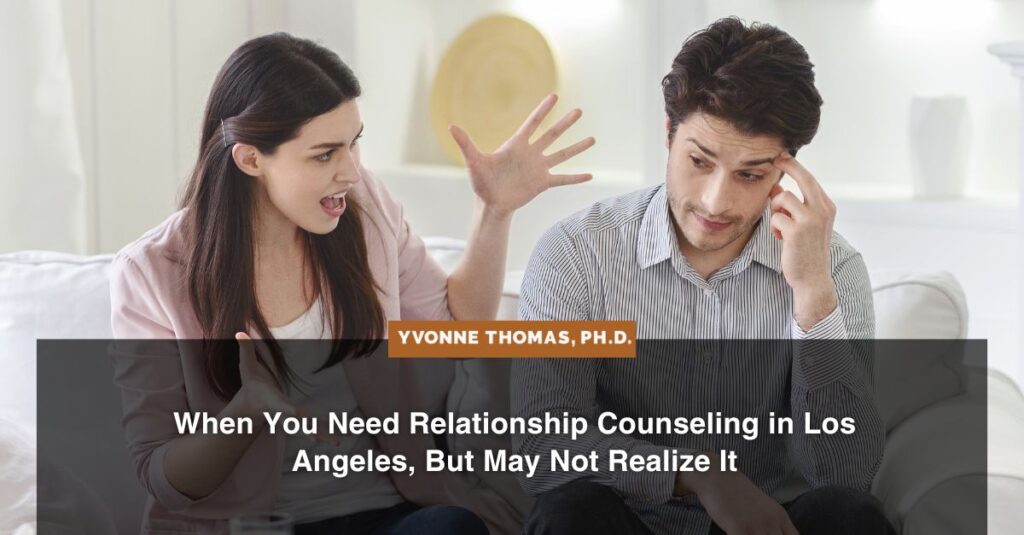
Many individuals wait until conflicts become overwhelming before seeking professional support. However, there are often subtle signs that indicate it may be time to consider relationship counseling in Los Angeles long before a situation reaches a crisis point. Working with an experienced psychologist can help people gain insight into recurring patterns, improve communication, and strengthen important connections before problems become deeply entrenched.
While many people assume counseling is only necessary when a relationship is on the verge of ending, the reality is often much different.
Dr. Yvonne Thomas provides professional counseling services designed to help individuals and couples better understand relationship dynamics, address challenges, and develop healthier ways of relating to others.
Communication Has Become More Difficult Than It Used to Be
Every relationship experiences occasional misunderstandings. Differences in personality, communication style, and expectations can naturally lead to disagreements. Problems often arise when those disagreements become repetitive, unresolved, or emotionally draining.
You may notice that conversations regularly turn into arguments, or that important topics are avoided entirely because discussing them feels too stressful. Sometimes people begin to feel unheard, dismissed, or misunderstood even when both parties genuinely care about each other.
Common communication concerns include:
- Frequent arguments about the same issues
- Difficulty expressing feelings openly
- Feeling criticized or judged during conversations
- Avoiding discussions about important topics
- Increased defensiveness during disagreements
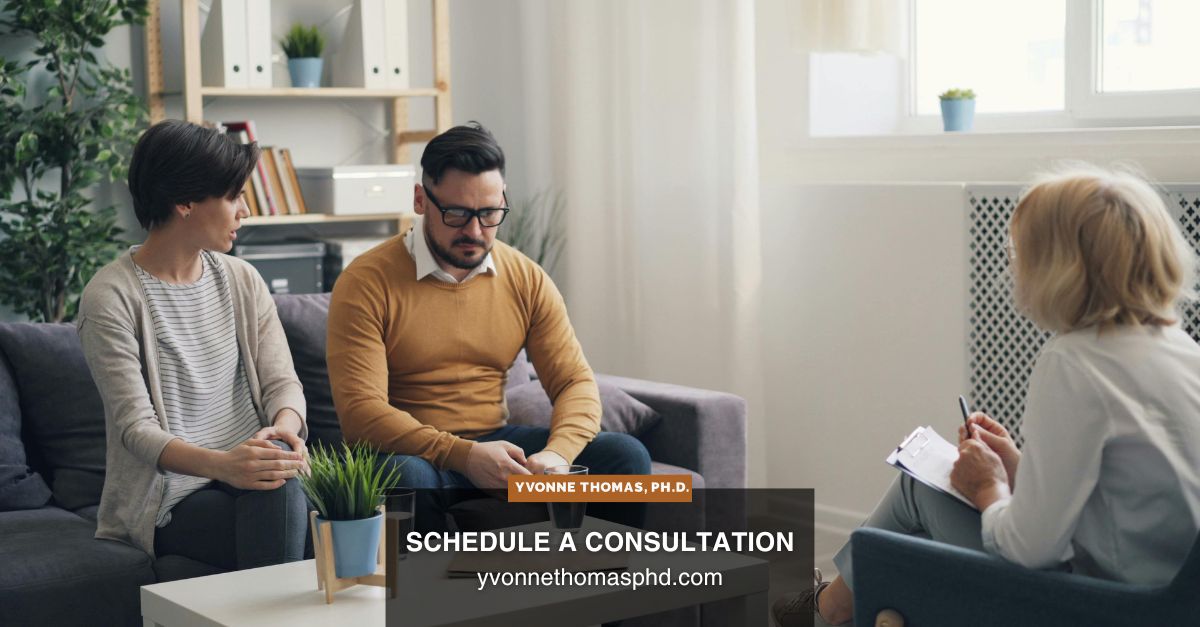
When communication challenges become a recurring pattern, relationship counseling can provide a supportive environment where healthier communication skills can be developed and practiced.
There are plenty of benefits to this kind of therapy, as studies have shown.
Emotional Distance Has Started to Grow
Not all relationship difficulties involve overt conflict. In many situations, the greater concern is emotional disconnection.
A relationship may appear functional on the surface while both individuals quietly feel detached from one another. Conversations become shorter. Shared activities become less frequent. Emotional intimacy gradually diminishes.
The Difference Between Personal Space and Emotional Withdrawal
Healthy relationships allow room for independence. Everyone needs personal time and individual interests. Emotional withdrawal, however, is different.
Signs of emotional withdrawal may include:
- Feeling lonely and depressed while in the relationship
- Reduced interest in spending time together
- Limited emotional sharing
- Lack of affection or warmth
- Feeling disconnected despite regular interaction
Over time, emotional distance can create frustration, sadness, and uncertainty. Professional counseling can help identify underlying causes and support meaningful reconnection when both individuals are willing to engage in the process.
Major Changes Are Affecting the Relationship
Even healthy relationships can experience strain during significant periods of change. New responsibilities, shifting priorities, and unexpected challenges often place pressure on emotional connections.
Seeking relationship counseling in Los Angeles during periods of significant change can help people navigate uncertainty while preserving the strength of their relationships.
Changes that commonly impact relationships include career developments, relocation, parenting responsibilities, aging parents, retirement planning, and other important life events.
Adjusting to these experiences requires flexibility, communication, and emotional support. Sometimes individuals discover that the coping strategies that worked in the past are no longer effective.
Resentment Continues to Build
Resentment rarely appears overnight. More often, it develops gradually when concerns remain unaddressed for extended periods.
One person may feel their efforts go unnoticed. Another may feel overwhelmed by responsibilities. Small disappointments accumulate and eventually become a source of persistent frustration.
Recognizing Hidden Resentment
Resentment may reveal itself through behaviors such as:
- Sarcasm during conversations
- Frequent irritation over minor issues
- Avoidance of meaningful discussions
- Passive-aggressive communication
- Difficulty letting go of past conflicts
Left unresolved, resentment can weaken trust and create emotional barriers. Counseling provides an opportunity to explore underlying feelings, improve understanding, and develop healthier methods for addressing concerns.
Trust Has Been Damaged
Trust forms the foundation of many meaningful relationships. When trust is disrupted, even routine interactions can become difficult.
Relationship counseling can help individuals and couples examine trust-related concerns in a structured, supportive setting while working toward greater understanding and emotional security.
Trust issues may develop for a variety of reasons. Sometimes a specific event creates the problem. In other situations, trust erodes slowly through repeated disappointments, broken promises, or ongoing misunderstandings.
Rebuilding trust requires honesty, accountability, and patience. It also requires a willingness to understand the emotional impact of past experiences.
Stress From Outside Sources Is Affecting the Relationship
Not every relationship challenge originates within the relationship itself. External pressures often contribute significantly to interpersonal difficulties.
Financial concerns, workplace stress, family obligations, health challenges, and caregiving responsibilities can all influence how people interact with one another.
When stress levels remain elevated for long periods, patience may decrease and conflict may increase. People who are emotionally exhausted often struggle to communicate effectively or respond thoughtfully to challenges.
Addressing the Bigger Picture
A psychologist can help clients examine how external stressors affect relationship functioning and identify healthier coping strategies. This broader perspective often helps individuals understand that relationship difficulties may be connected to pressures occurring elsewhere in their lives.
Recognizing these influences can reduce blame while creating opportunities for more productive communication and support.
Patterns Keep Repeating Despite Good Intentions
Many people enter relationships with the best intentions. Yet they may find themselves experiencing the same arguments, disappointments, or frustrations repeatedly.
Repeated patterns can be particularly discouraging because they often create a sense of being stuck. Individuals may feel they have tried everything yet continue to encounter the same problems.
These recurring cycles can involve:
- Repeated misunderstandings
- Ongoing conflict regarding responsibilities
- Difficulty establishing healthy boundaries
- Persistent feelings of disappointment
- Recurrent trust concerns
Relationship counseling can help identify the deeper emotional and behavioral patterns that contribute to these cycles, making it possible to create meaningful and lasting change.
Past Experiences Continue to Influence Current Relationships
Previous experiences often shape present-day relationship behaviors. Childhood experiences, family dynamics, and earlier romantic relationships can all affect how people approach trust, intimacy, communication, and conflict.
Sometimes individuals are fully aware of these influences. In other cases, the connection is less obvious.
Working with a psychologist can help uncover how earlier experiences may be contributing to current difficulties. Greater self-awareness often leads to healthier choices, improved communication, and stronger relationships.
Dr. Thomas helps clients explore these influences with sensitivity and insight while fostering emotional growth and understanding.
You Are Experiencing Loss and Grief
The death of a loved one, the end of an important relationship, or another significant emotional loss can affect existing relationships in unexpected ways.
People process difficult emotions differently. One individual may seek connection and support, while another may withdraw or become emotionally guarded. These differences can create tension and misunderstanding.
During periods of loss and grief, counseling can provide valuable support by helping individuals process emotions, communicate their needs, and maintain healthy connections with those who matter most.
Relationships often require additional care during emotionally challenging times, and professional guidance can help people navigate these experiences more effectively.
Support Is Available in Multiple Formats
Many people hesitate to seek counseling because they believe scheduling challenges will make participation difficult. Fortunately, professional support is available through different formats designed to accommodate a variety of needs.
Some clients benefit from traditional in-person sessions, while others appreciate the flexibility of teletherapy. Having options can make it easier to prioritize emotional well-being and relationship health despite busy schedules and competing responsibilities.
The ability to access professional support in a way that fits individual circumstances often helps people begin the counseling process sooner rather than postponing it indefinitely.
Looking Beyond Crisis Intervention
One of the most common misconceptions about counseling is that it should only be considered when a relationship is already failing. In reality, many people seek support before major problems develop.
Experienced relationship counseling in Los Angeles can provide valuable tools and insights that support healthier interactions and stronger emotional connections over time.
Counseling Can Be Proactive
Relationship-focused counseling can help people:
- Strengthen communication skills
- Develop healthier boundaries
- Improve emotional awareness
- Address concerns before they escalate
- Enhance overall relationship satisfaction
Viewing counseling as a proactive investment rather than a last resort often leads to more positive outcomes.
Finding Professional Guidance That Fits Your Needs
Relationship concerns can affect emotional well-being, daily functioning, and overall quality of life. Seeking professional support is not a sign that a relationship has failed. Instead, it reflects a commitment to understanding challenges more clearly and creating opportunities for healthier, more fulfilling connections.
When communication difficulties, emotional distance, trust concerns, recurring conflict, or significant changes begin affecting important relationships, professional relationship counseling in Los Angeles can offer the guidance needed to move forward with greater clarity, understanding, and confidence.